Companion Wellness
A magazine for the health topics dog owners search at 11pm.
Up to 90% of Dogs Get Gum Disease by Age 3 — Most Owners Never Know
1The Pattern That Shows Up Almost Every Time
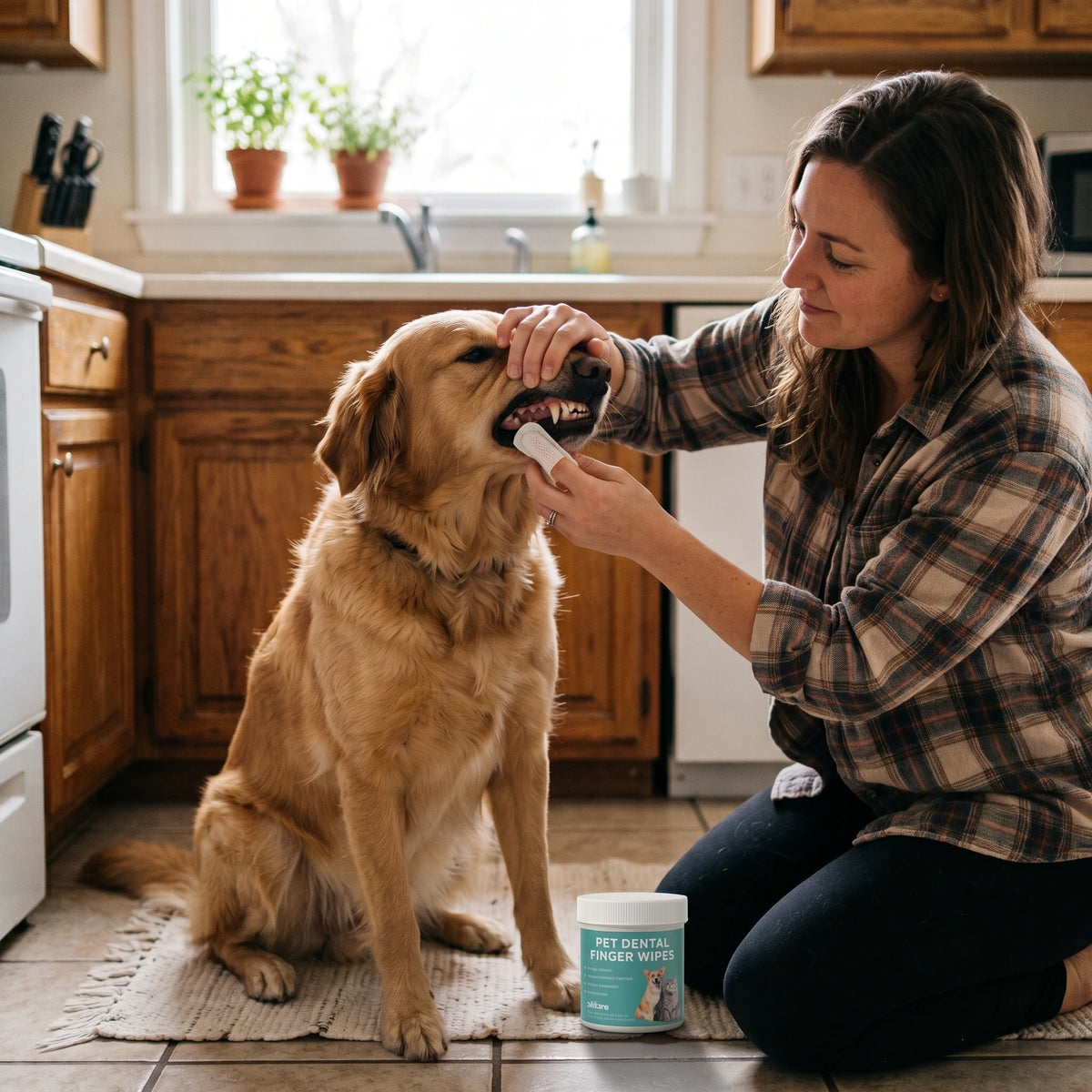
It's a Tuesday evening, and the dog is already backing away from the toothbrush before it's even out of the drawer. This is week three of "the new routine" — and it's already slipping.
Talk to enough dog owners about dental care and the story repeats itself in almost the same order: a softer toothbrush, then a dental chew, then a water additive dropped into the bowl. And almost all of them come back to the same complaint — the breath returns within a day or two, and the fight to brush never gets any easier.
The issue usually isn't effort. It's that daily brushing is genuinely hard to sustain with a dog who won't tolerate it — and the alternatives standing in for it aren't doing the same job brushing does.
2Why Chews, Additives, and Occasional Brushing Don't Close the Gap
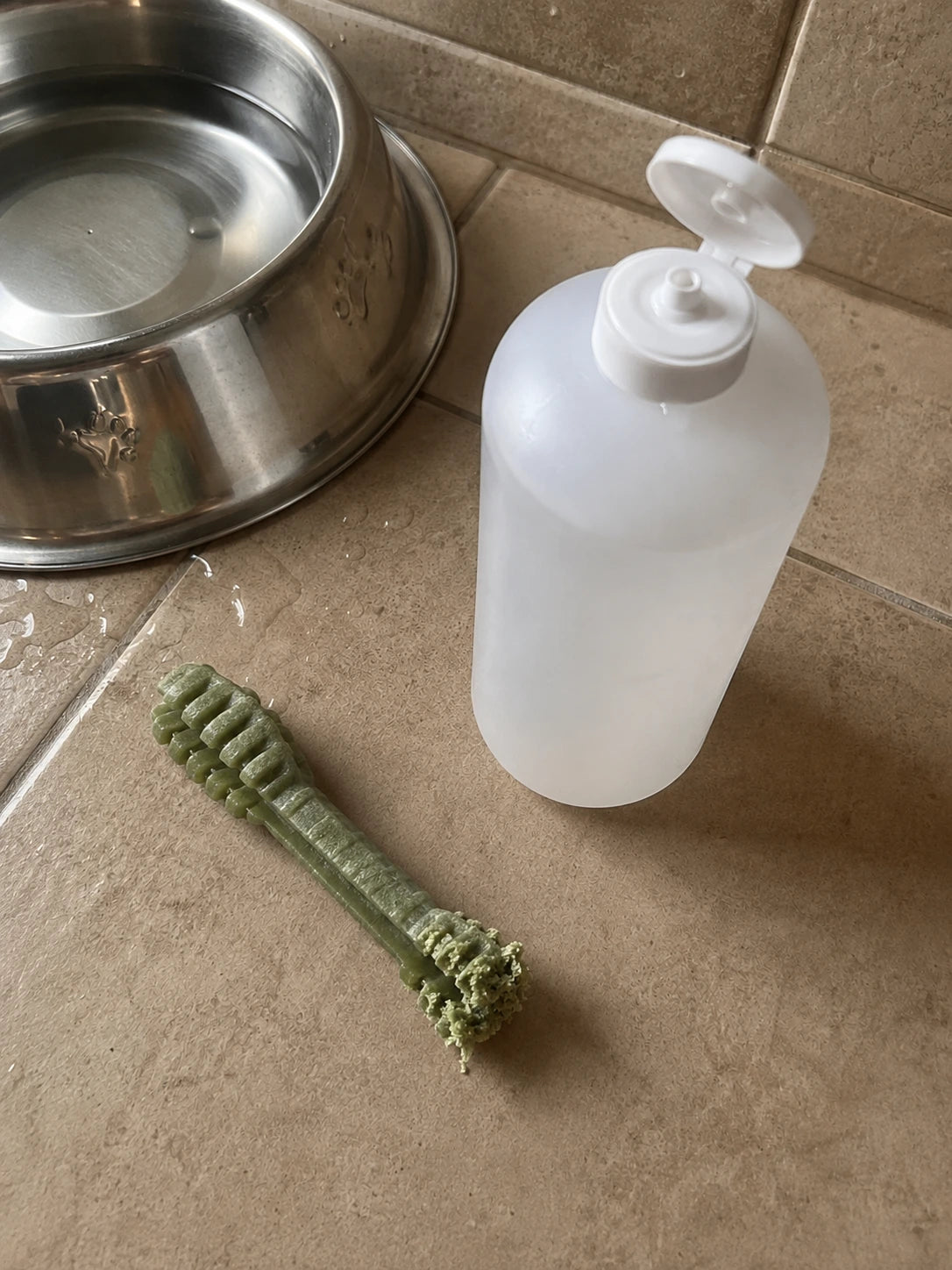
Dental chews mostly work through chewing time and abrasion — useful, but inconsistent, since how much (and how thoroughly) a dog actually chews varies a lot dog to dog. Water additives dilute into a bowl a dog may or may not finish. Neither one makes the kind of consistent, direct contact with the tooth surface and gumline that brushing does — which is exactly the part that's hardest to keep up.
The gap isn't intent. It's that most of the popular stand-ins for brushing don't actually replace the mechanical contact brushing provides.
See the Wipes →Most owners aren't failing at dental care. They're using tools that were never built to replace brushing in the first place.
3The Number Most Owners Have Never Heard
By age three, the odds aren't really in a dog's favor. Cornell's Riney Canine Health Center puts it at 80–90% of dogs over age 3 having some degree of periodontal disease.1 The AVMA's figure is close behind: nearly 80% of dogs by age three.2 Most of it starts as exactly what you're smelling right now — plaque that's been left in place long enough to harden and start working on the gumline.
It doesn't necessarily stay contained to the mouth, either. Cornell notes periodontal disease "has been linked to liver and heart disease."1 That's part of why more vets treat daily plaque removal as a whole-dog health habit, not a cosmetic one.

1. Cornell University College of Veterinary Medicine, Riney Canine Health Center — Periodontal Disease.
2. American Veterinary Medical Association.
4What's Actually Happening Under the Gumline
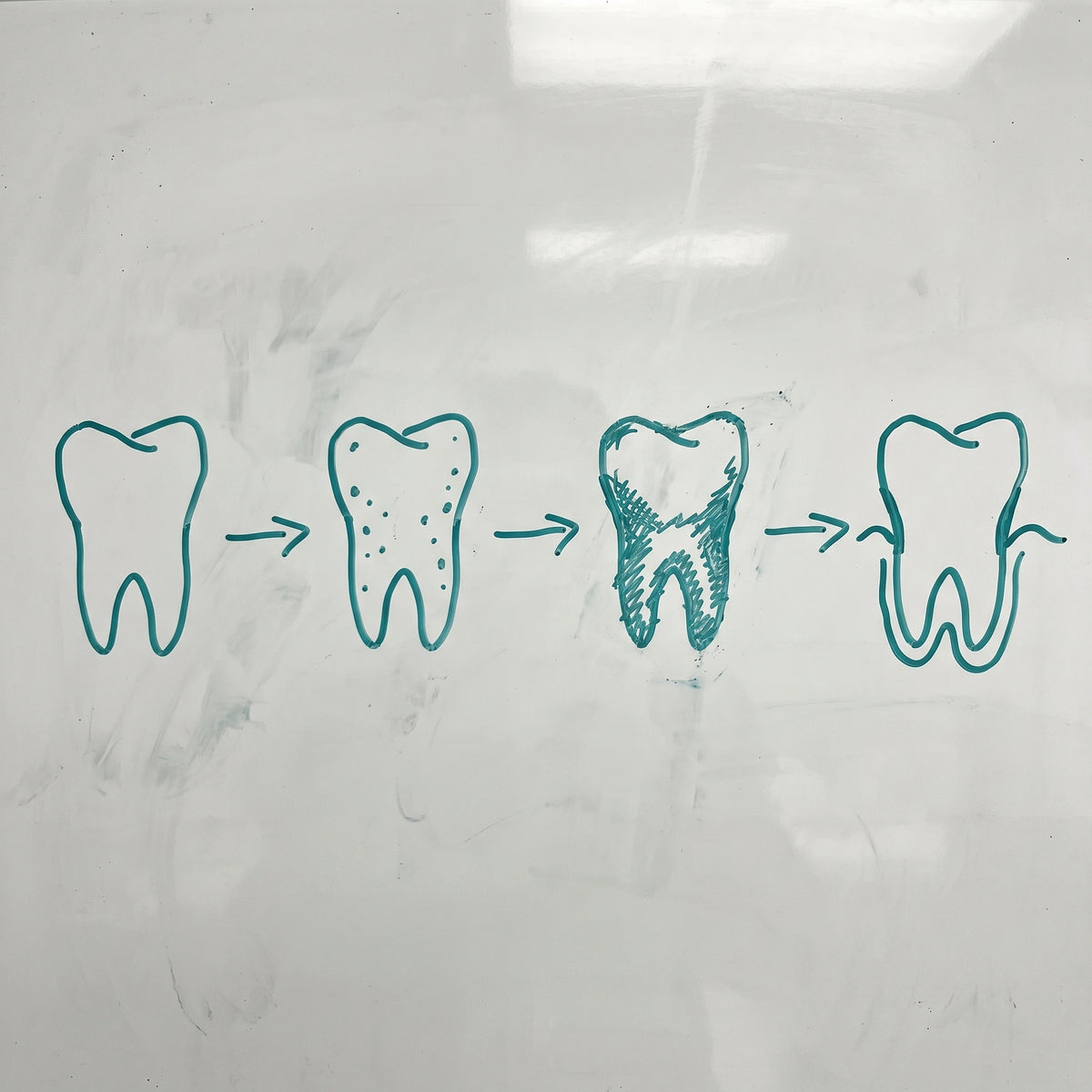
Plaque isn't just residue — it's an active bacterial film that starts re-forming on the tooth surface within hours of a cleaning. Left in place, it hardens into tartar, which irritates the gumline and, over time, is linked to the kind of gum recession and periodontal issues vets flag at checkups.
The window that matters most isn't any single deep clean. It's what happens day to day, between them.
5What a Realistic Routine Actually Looks Like
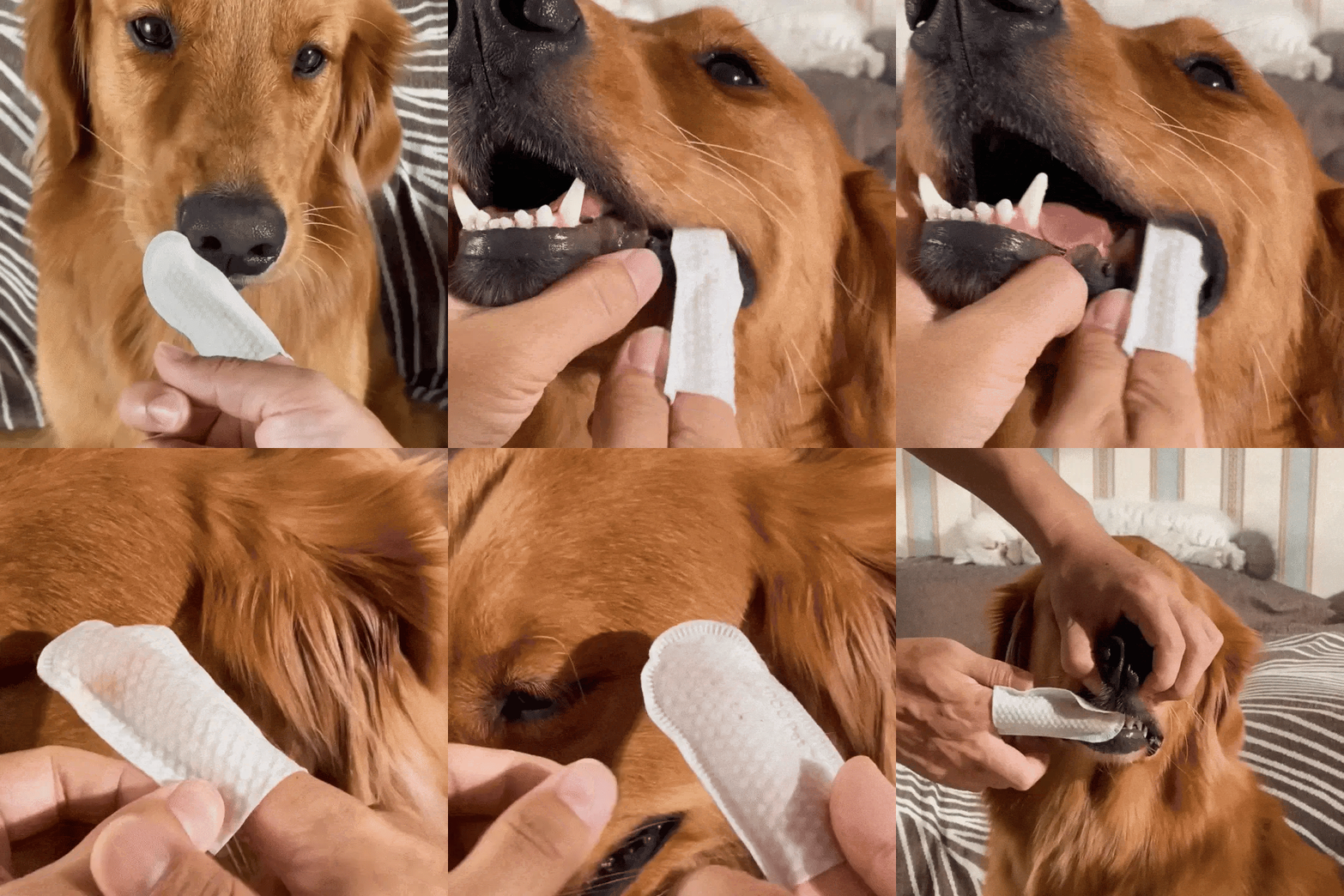
A typical routine looks something like this: daily brushing attempts drop off within a couple of weeks because the dog won't sit still for it. Swapping in a once-a-day wipe — no brushing motion required, just worked along the gumline for a few seconds — is the kind of habit that's actually easy to keep up, because it fits into a routine that already exists: after the evening walk, before bed, whenever it's easiest.
That's the difference that tends to matter most. Not a better tool used occasionally — an easy enough tool used daily.
Consistency does more for a dog's mouth than intensity ever will.
6The One Habit That Actually Works: Canis Health Dental Wipes
This is why Canis Health Dental Wipes are built around two things working together: physical, mechanical plaque removal, and a botanical assist most owners have never heard connected to their dog's mouth.
Every wipe is infused with green tea extract — the same plant-derived polyphenols researchers have studied against the bacteria behind canine periodontal disease. Paired with the wipe's textured surface, it's not just lifting plaque off the tooth — it's pairing that mechanical action with a plant-based active already being studied for the exact bacteria this disease depends on.
No brushing fight. No chemical mouthwash routine to force on your dog. Just a wipe, used once a day, worked along the teeth and gumline for a few seconds.
It's not a replacement for veterinary checkups. It's the easy, consistent habit that supports everything else you're already trying to do for your dog's health.
If you've read this far, you're probably already doing more than most owners do.
Give the habit a real chance to work.

Simple monthly subscription — manage, pause, or cancel anytime from your account.
We launched with a small first batch rather than a mass production run — once it's gone, the next batch takes time to arrive.
Real promotion end date — only shown when this field is filled in.
Check Availability →This page is sponsored advertorial content produced by Canis Health for marketing purposes and is not independent editorial content. Nothing on this page is veterinary or medical advice. If your dog has existing dental, gum, or other health concerns, please contact your veterinarian before starting any new routine. Individual results may vary. © 2026 Canis Health. All rights reserved.